
Both forms are equally dignified - the choice depends on the wishes of the deceased, family tradition, and financial and practical considerations. Cremation tends to be cheaper (lower cemetery fees) and gives more flexibility with the date; traditional funeral with a coffin is the most deeply rooted in Polish culture. The Catholic Church permits cremation, recommending burial of the urn in a grave or a columbarium. We will help you choose calmly - 660 950 600.
This is one of the most common dilemmas families face. There is no „better” answer here - there is an answer the right one for that family and for the deceased. Below we set out the most important differences, so that you can decide consciously and without pressure.
What each of the options involves
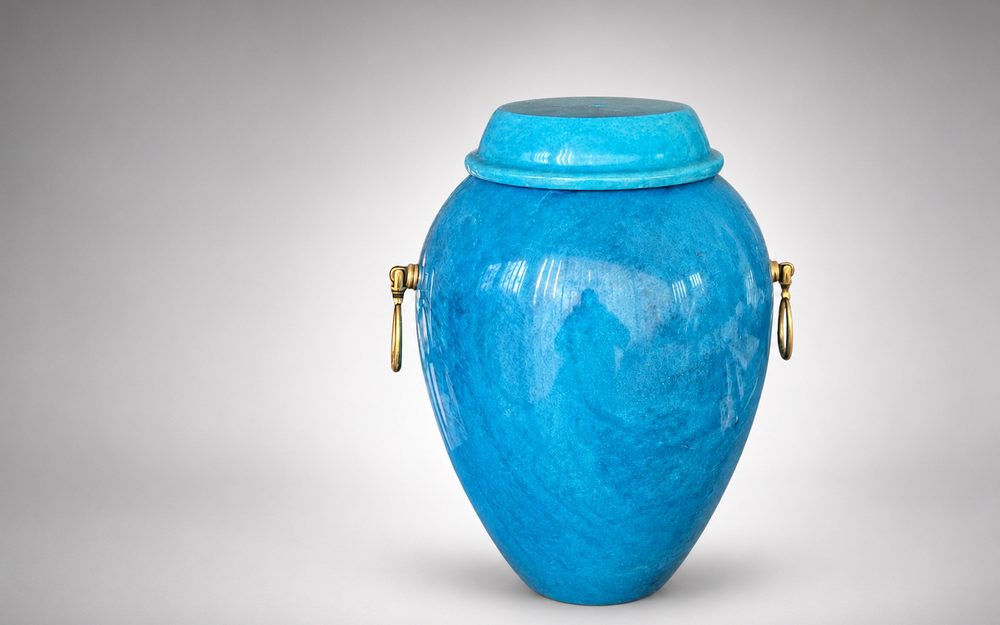
Traditional funeral this is placing the body in a coffin into an earth or brick-lined grave. Funeral with cremation consists in the cremation of the body, after which the ashes in an urn are placed in an urn grave, a family grave or a columbarium. In both cases it is possible to have a full farewell ceremony - also with an open coffin before the cremation.
Costs - where the difference lies
Most often cremation works out cheaper, mainly through lower cemetery fees (an urn requires less space). The cost of the cremation itself is added, but the balance is usually still more favourable. A traditional funeral with a place in a brick-lined grave falls into a higher range. You can calculate exact amounts in calculator.
Tradition, practice and remembrance
- Tradition - traditional burial is the most deeply rooted culturally, which for many families is an important consideration.
- Flexibility - cremation gives more time to make arrangements and gather the family.
- Place of remembrance - in both forms there is a grave you can return to; a columbarium is an aesthetic, low-maintenance alternative.
Cremation and the Catholic Church
This is a frequent question from families of faith. The Catholic Church permits cremation and does not regard it as contrary to the faith, provided it is not motivated by reasons that deny the Church's teaching. It recommends, however, that the ashes rest in a grave or a columbarium (and not scattered or kept at home). A Mass with the body may also be celebrated before the cremation. If in doubt, it is worth speaking with the parish - we will help arrange the details.
How to make the decision
Start by asking about the wishes of the deceased - if it was expressed, it is usually decisive. Then consider family tradition, financial and practical factors (e.g. the distance for relatives). You do not have to decide alone - we will set out both paths with their costs and formalities, and we will leave the choice to you.